Level: Beginner
Bioactive Terrarium 101
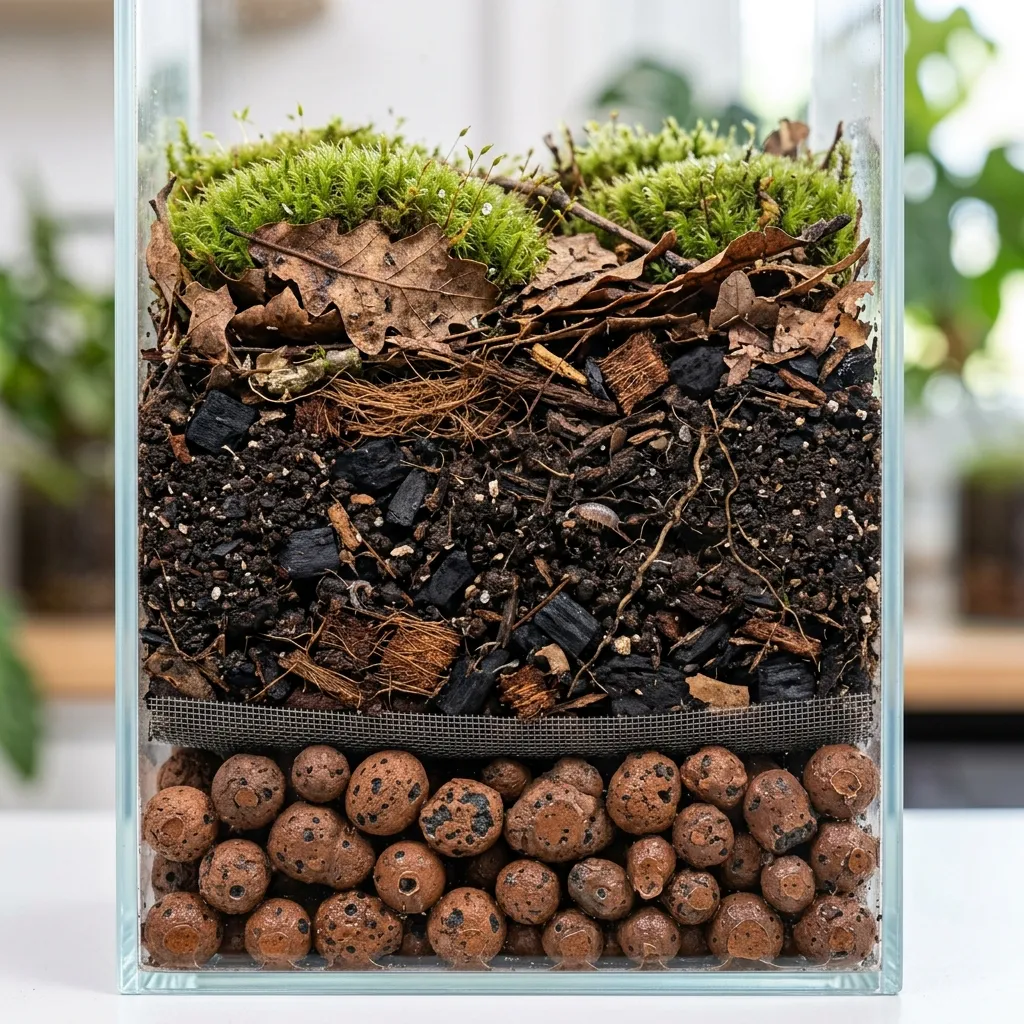
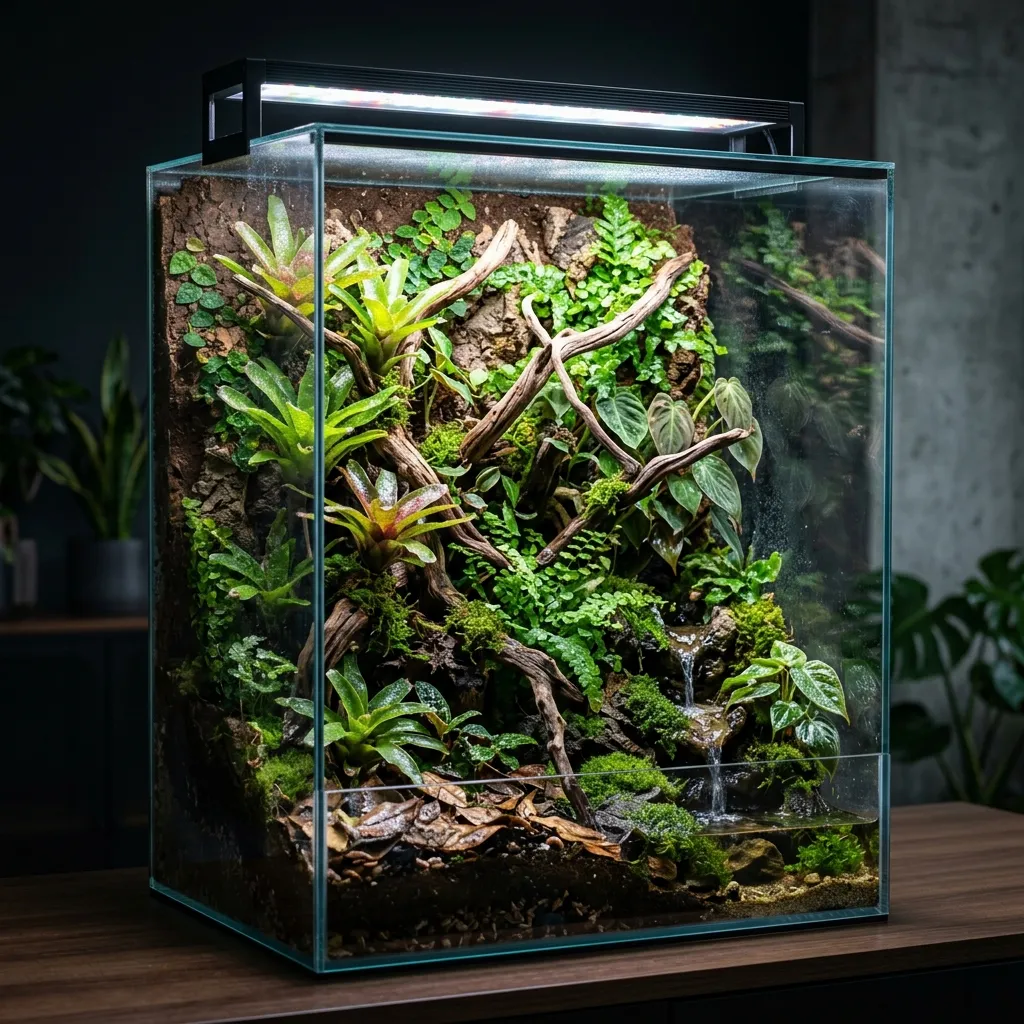
The ultimate guide. Learn about the 5 essential layers to build a perfect self-sustaining ecosystem.
Free precision calculator, expert setup guides, and hand-picked products. Everything you need to create a self-sustaining ecosystem — no more guesswork.
Trusted by 12,400+ terrarium builders worldwide
🌿 Terrarium Builders
📖 Expert Guides
⭐ Average Rating
🔬 Products Reviewed
Step-by-step expert guides and tutorials for bioactive terrariums, reptile care, custom substrates, dart frogs, isopods, and exotic plants.
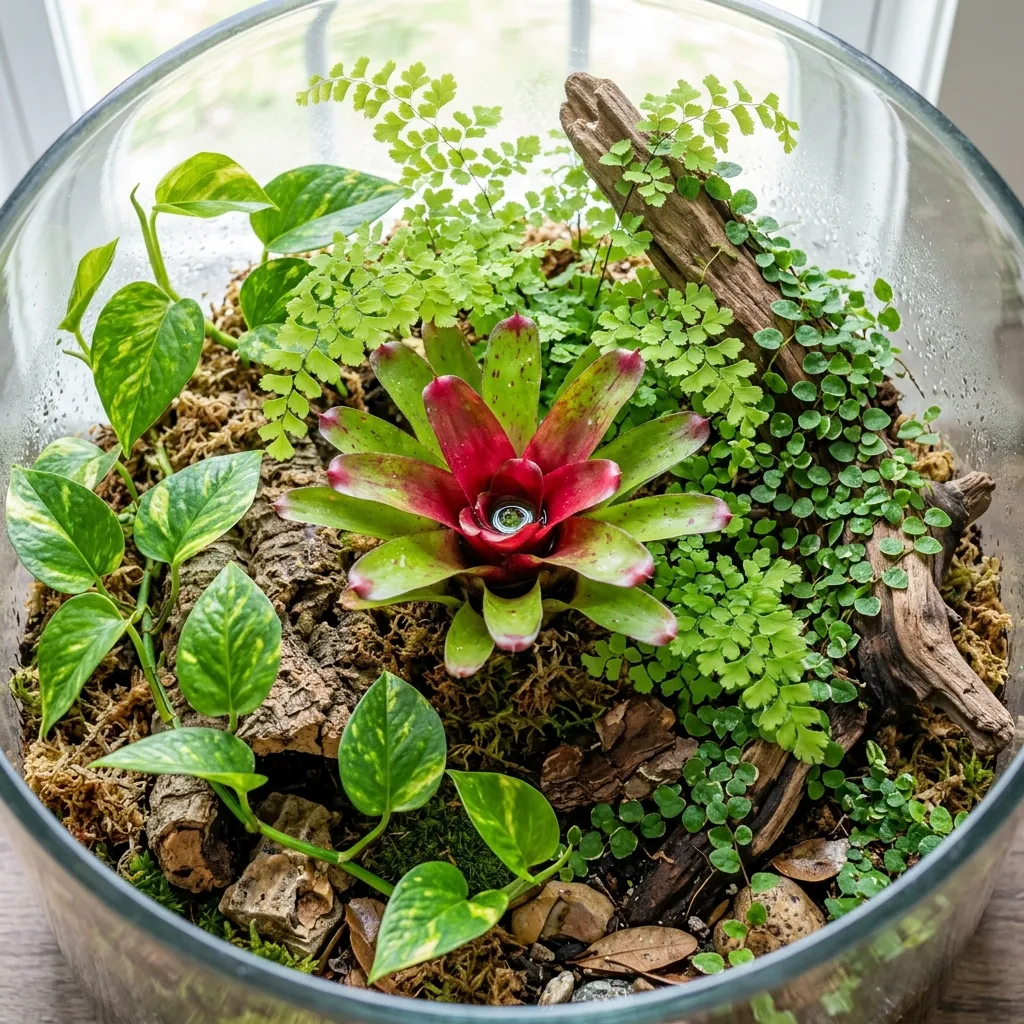
The ultimate guide. Learn about the 5 essential layers to build a perfect self-sustaining ecosystem.
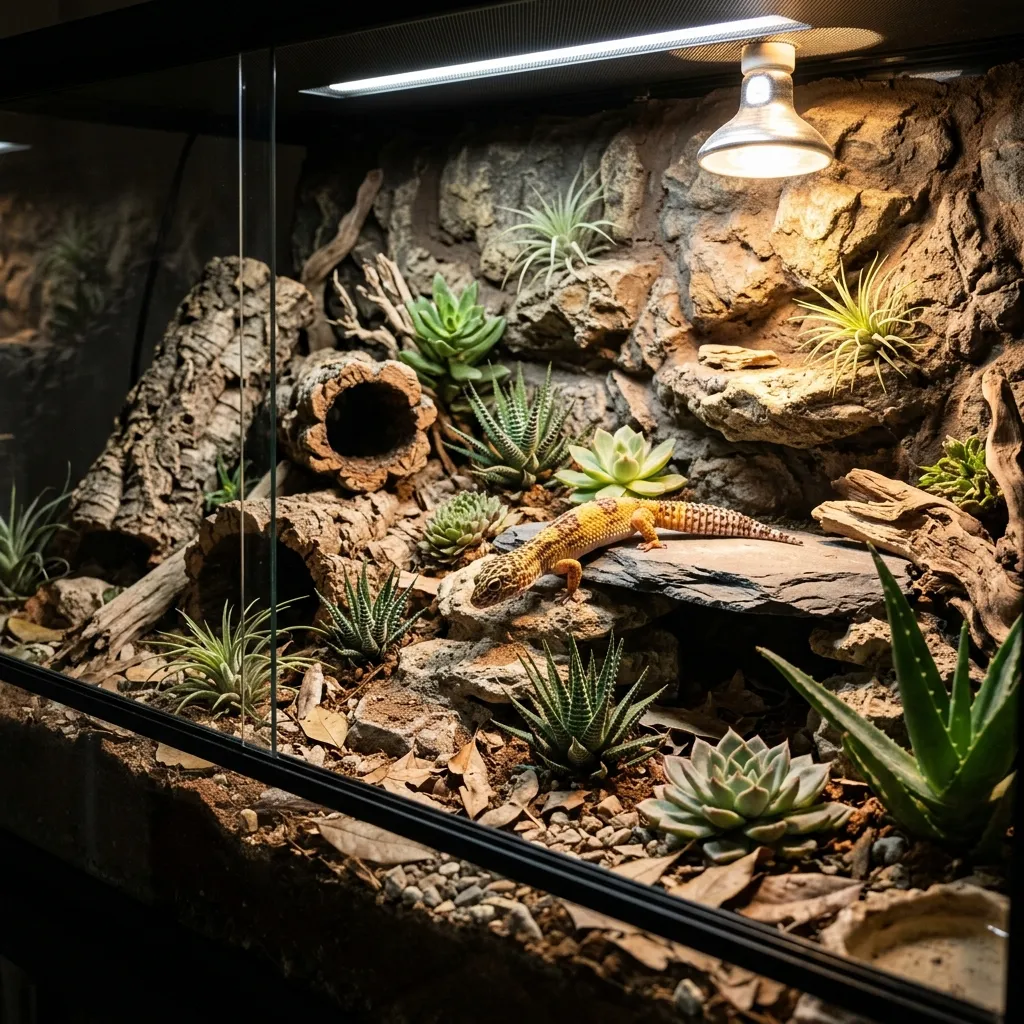
Arid bioactive IS possible! Learn how to create a desert environment that supports burrowing.
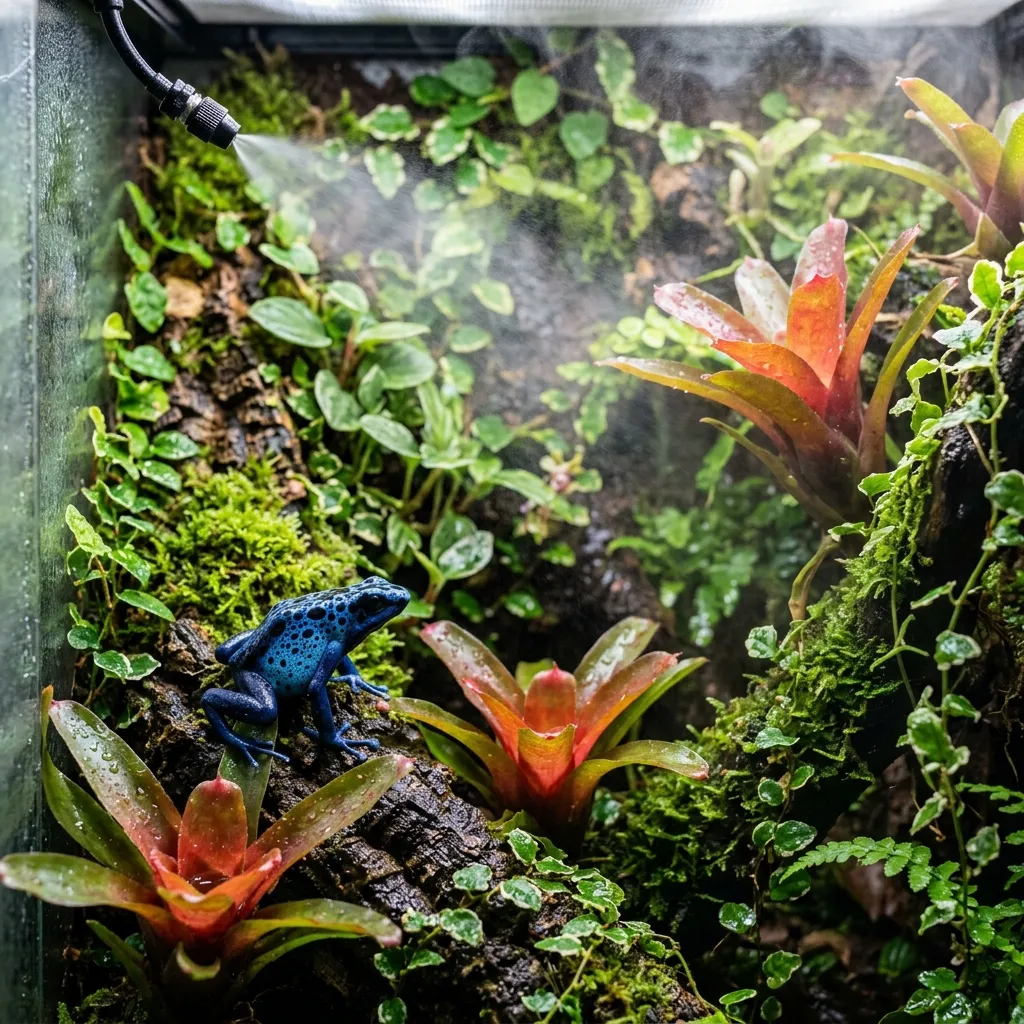
The ultimate guide to building a thriving rainforest. Learn to master humidity, flora, and microfauna.
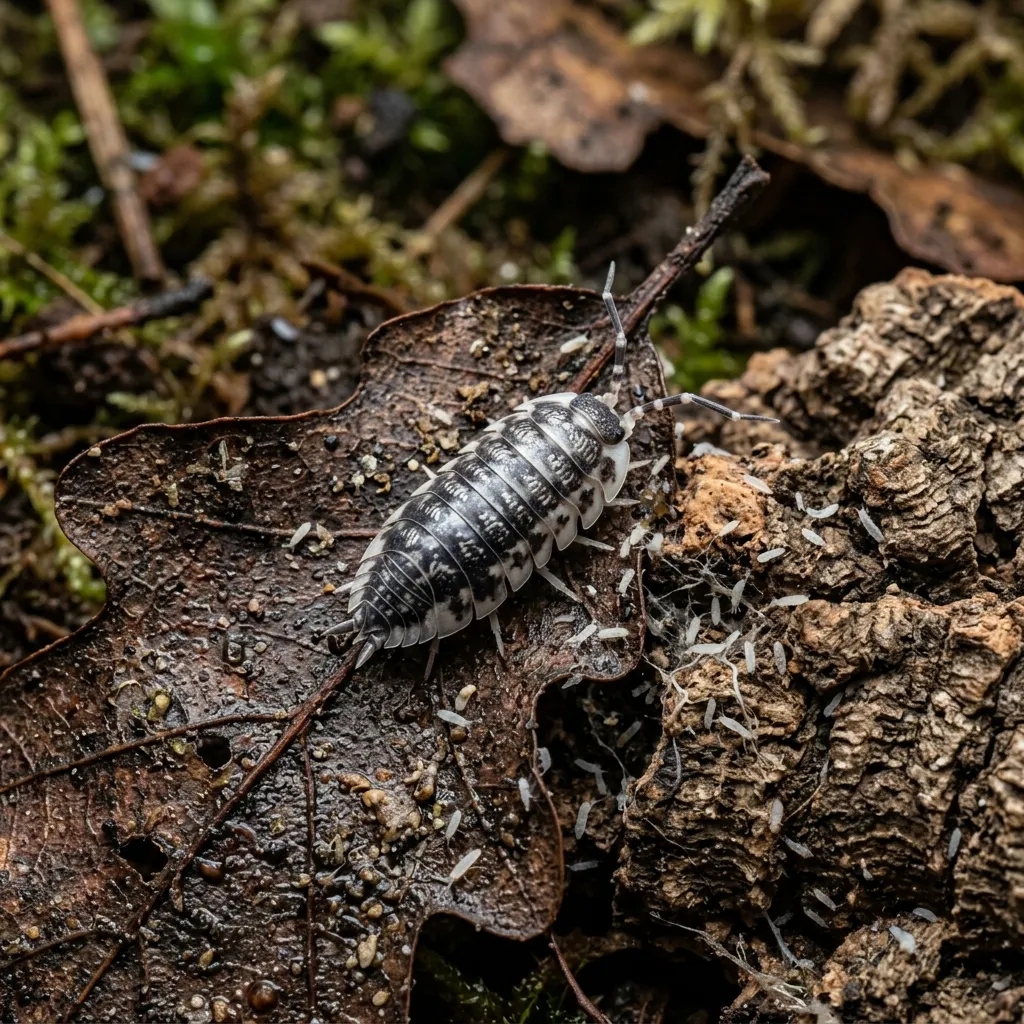
Springtails and isopods are the unsung heroes of your terrarium. Learn how to culture them, feed them, and choose the right species.
Discover the most resilient, aesthetic, and 100% reptile-safe botanical species, divided by ecosystem type.
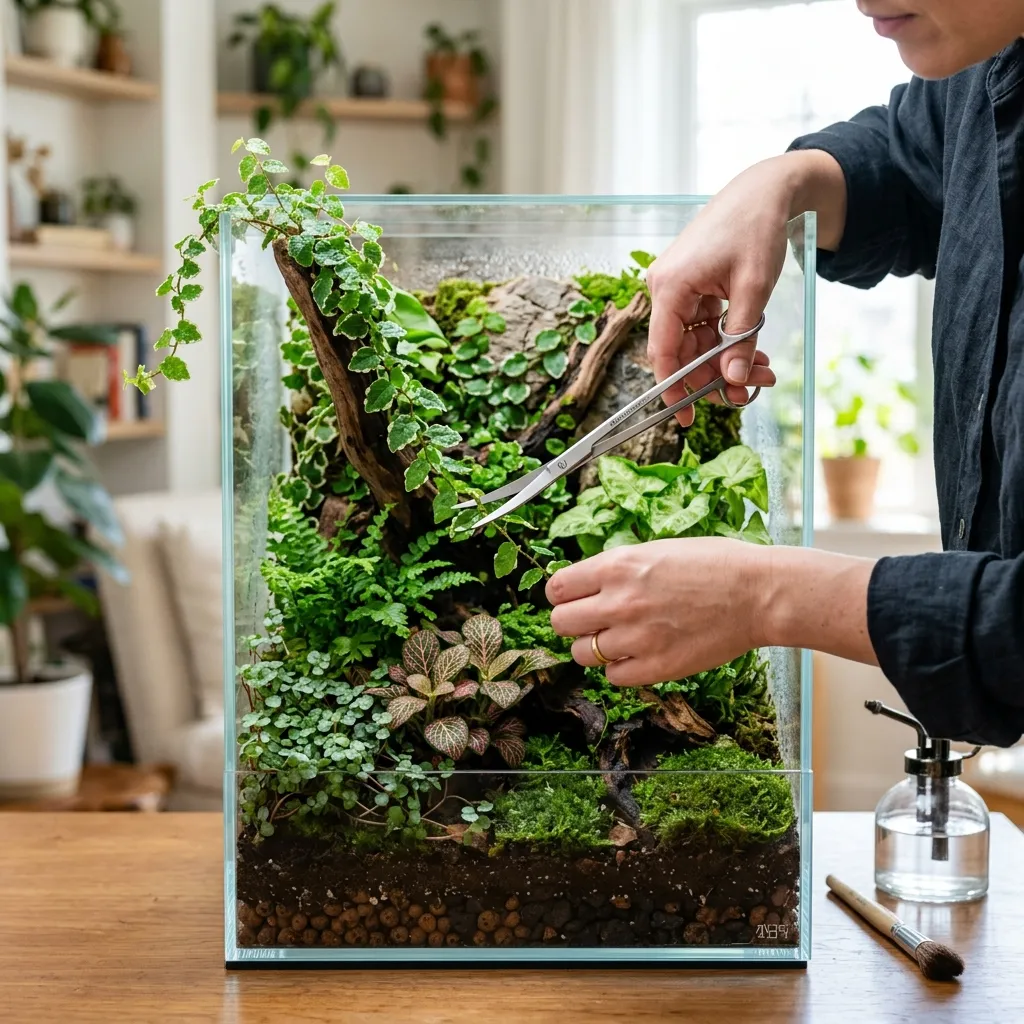
Although a bioactive system recycles most waste, it's not magic. Learn the expert routine to maintain long-term botanical health.
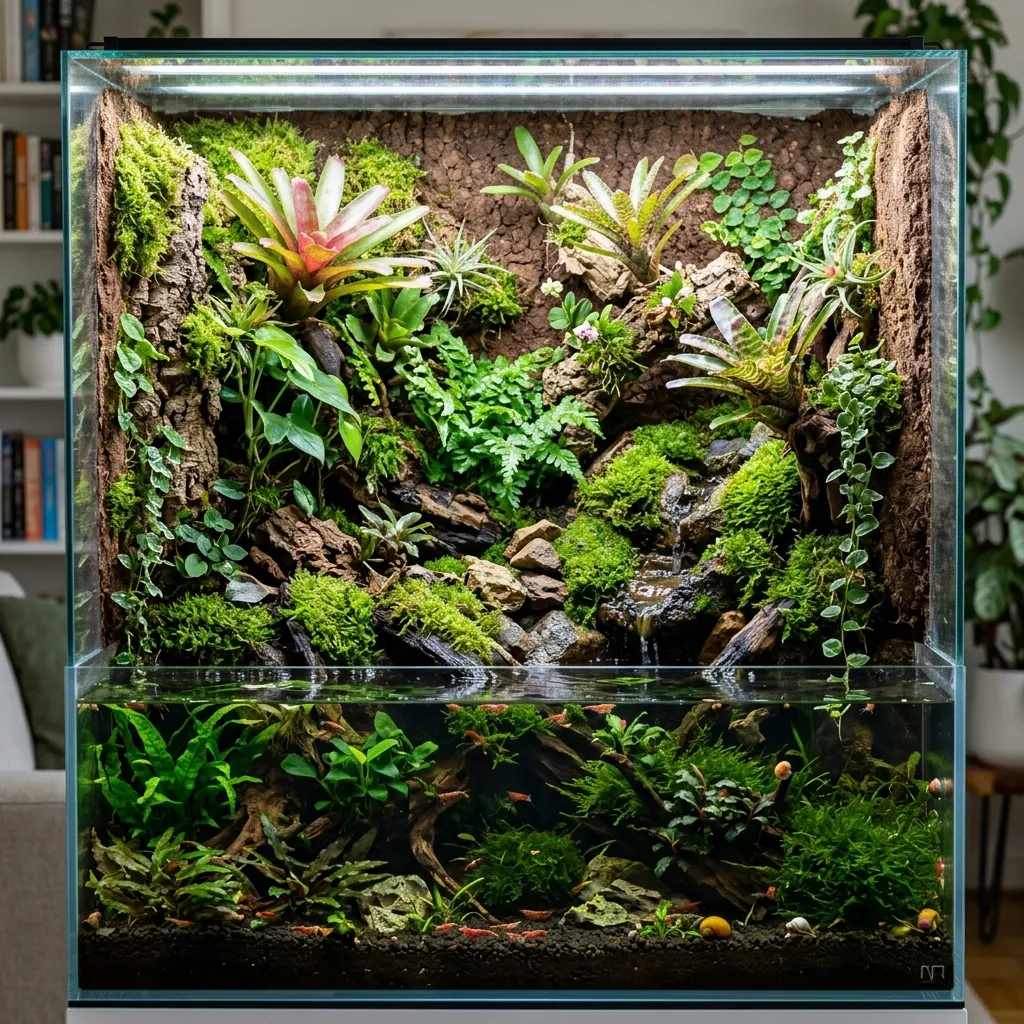
Learn to design a split ecosystem where terrestrial and aquatic life coexist in perfect harmony.
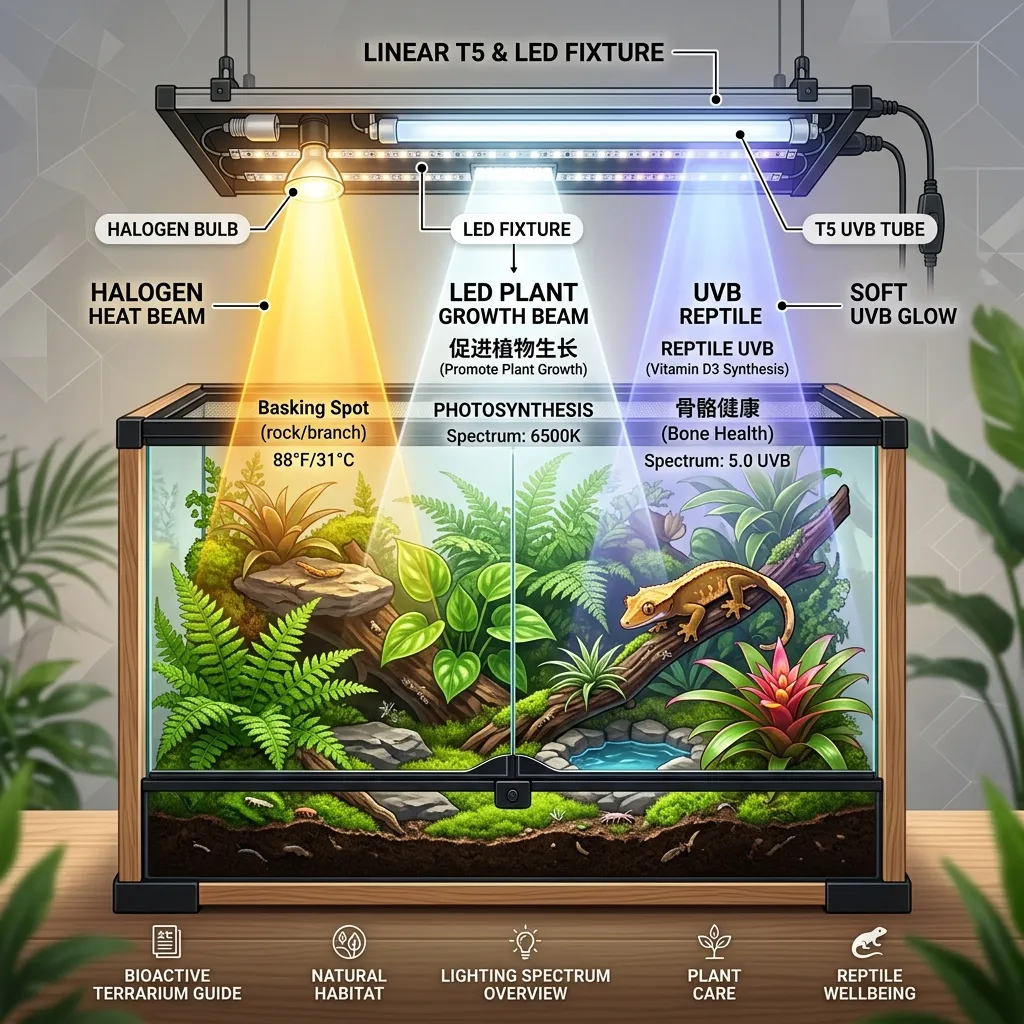
Master the light spectrum. Discover how to simulate the sun to maximize your reptiles' health and your plants' growth.
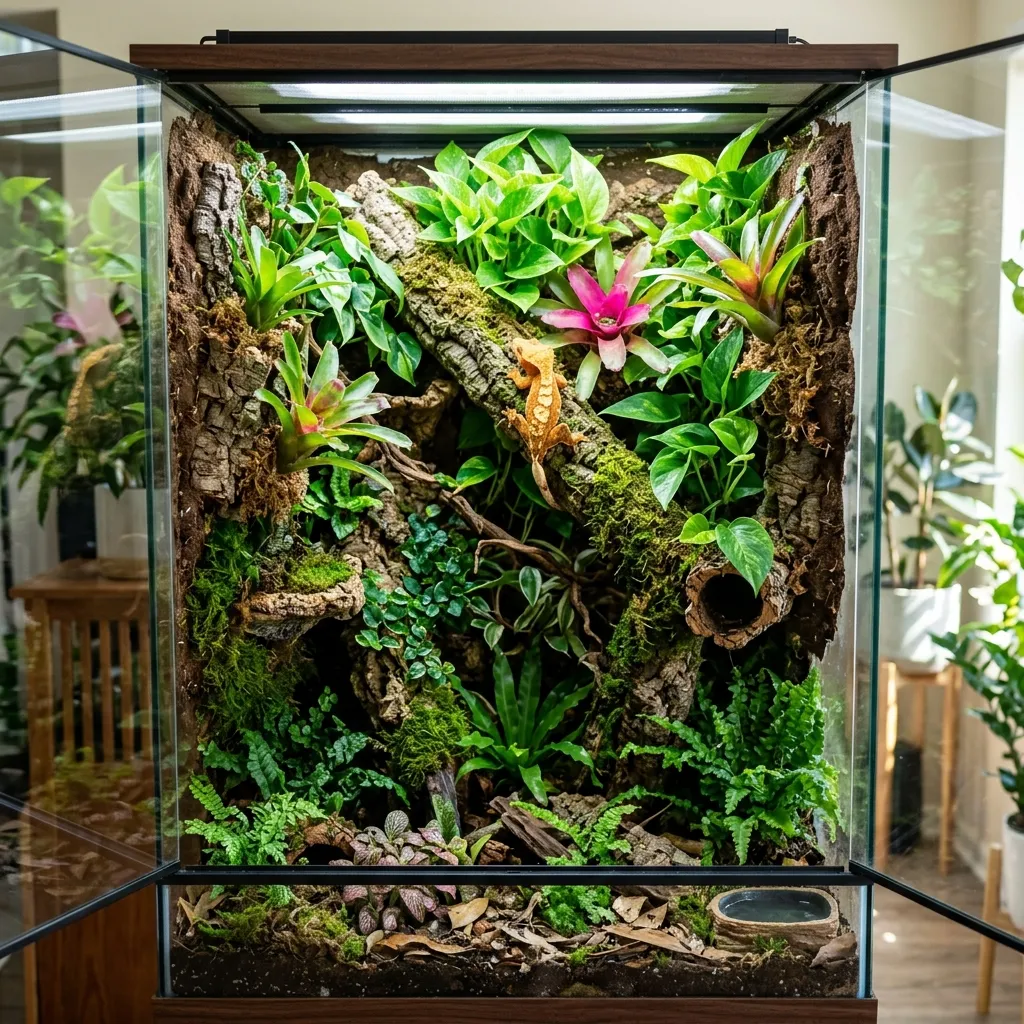
Build a jungle in the heights. Everything you need to know about vertical terrariums, natural vines, and the humidity cycle.
Calculate the exact volume of substrate and drainage you need. Never overbuy or run short again.
Hand-tested and community-approved. These are the exact products we use and recommend for every bioactive build.
Thousands of successful terrariums and happy breeders back our guide.
"The substrate calculator saved my life. I knew exactly how many liters to buy for my 40-gallon tank."
2 weeks ago"I built my first Dart Frog vivarium using these guides. Not a single plant died and the humidity is perfect."
1 month ago"The CUC section was an eye opener. My springtails are booming and mold is gone."
3 days agoEverything you need to know about starting and maintaining a bioactive terrarium.
A bioactive terrarium is a self-sustaining ecosystem that mimics nature. It uses live plants, fungi, and microfauna (like isopods and springtails) to break down animal waste and recycle it into nutrients for the plants.
Yes, but much less frequently! You should still wipe down the glass, provide fresh water, and spot-clean large waste. However, the 'clean-up crew' handles the microscopic waste, meaning you rarely (if ever) need to replace the substrate.
We recommend letting a new bioactive terrarium cycle for 4 to 6 weeks before introducing your main pet. This gives the plants time to root and allows the clean-up crew to establish a stable population.
A crash in the microfauna population usually points to a moisture or food issue. You can re-seed the tank with a new culture. Always ensure there is enough leaf litter and humidity for them to thrive.
A small mold bloom is completely normal during the initial 'cycling' phase of a new setup. Springtails are your first line of defense; they eat mold and fungus. To prevent severe outbreaks, ensure you have proper cross-ventilation and avoid over-saturating the substrate.
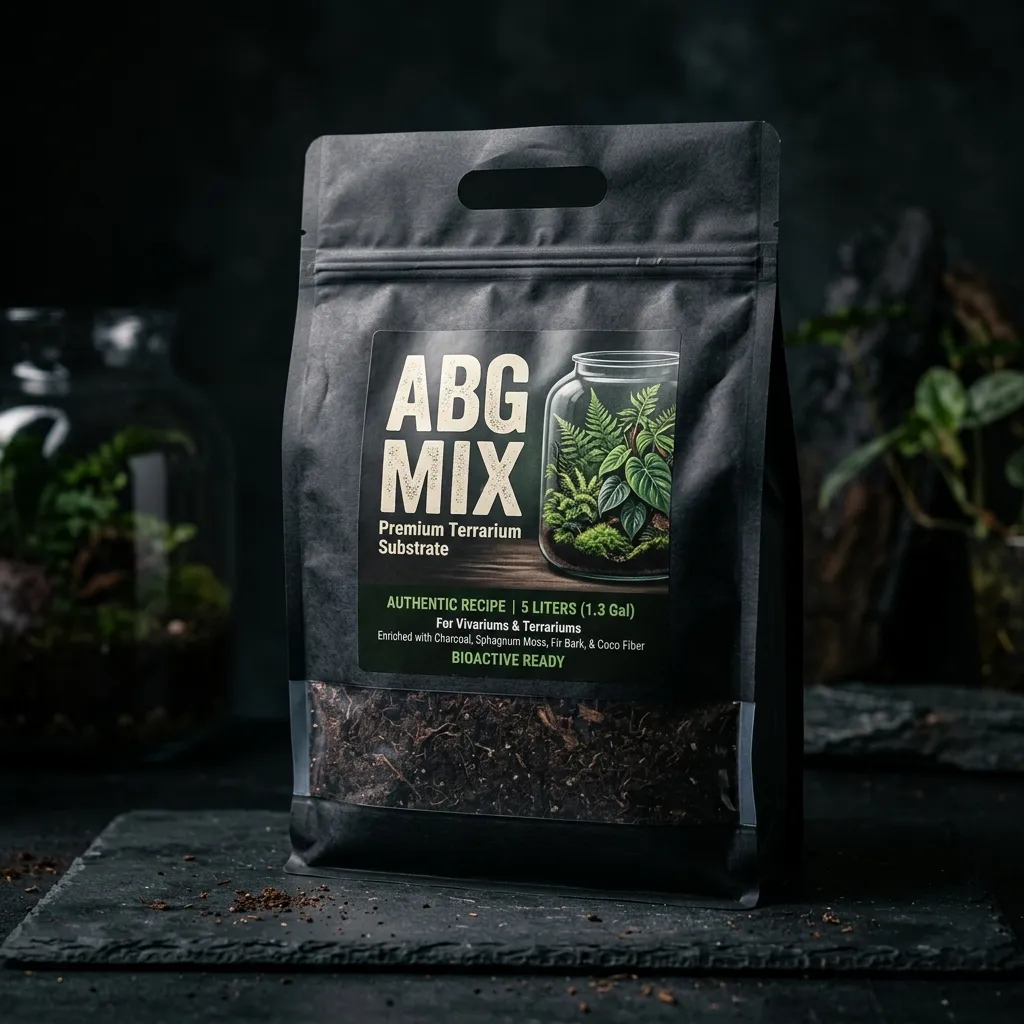
The ideal substrate depends on your animal's humidity needs. Tropical setups thrive on ABG mix (tree fern fiber, orchid bark, charcoal, sphagnum moss, and peat). Arid setups require a sandy, well-draining soil mix that holds burrows without trapping excess moisture.
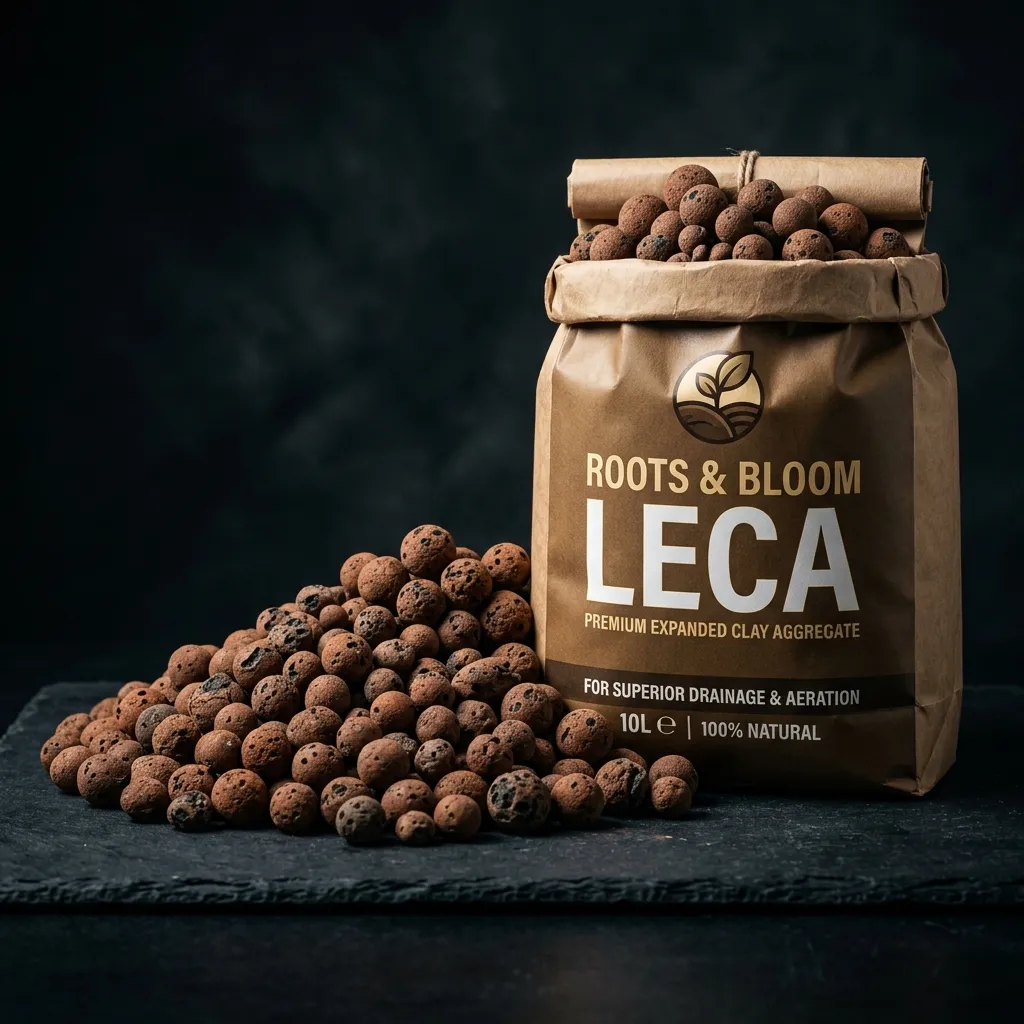
For tropical or high-humidity enclosures that require heavy misting, a drainage layer (using LECA or Matala matting) is crucial. It prevents the soil from waterlogging, which can cause root rot in live plants and drown your clean-up crew.
Yes, they form the backbone of a healthy bioactive ecosystem! Springtails control mold and fungus, while isopods consume larger decaying matter like fallen leaves and animal waste. You can also add earthworms or millipedes depending on the tank size.