Zoo Med Eco Earth (Coconut Coir): The Classic, Versatile Terrarium Substrate
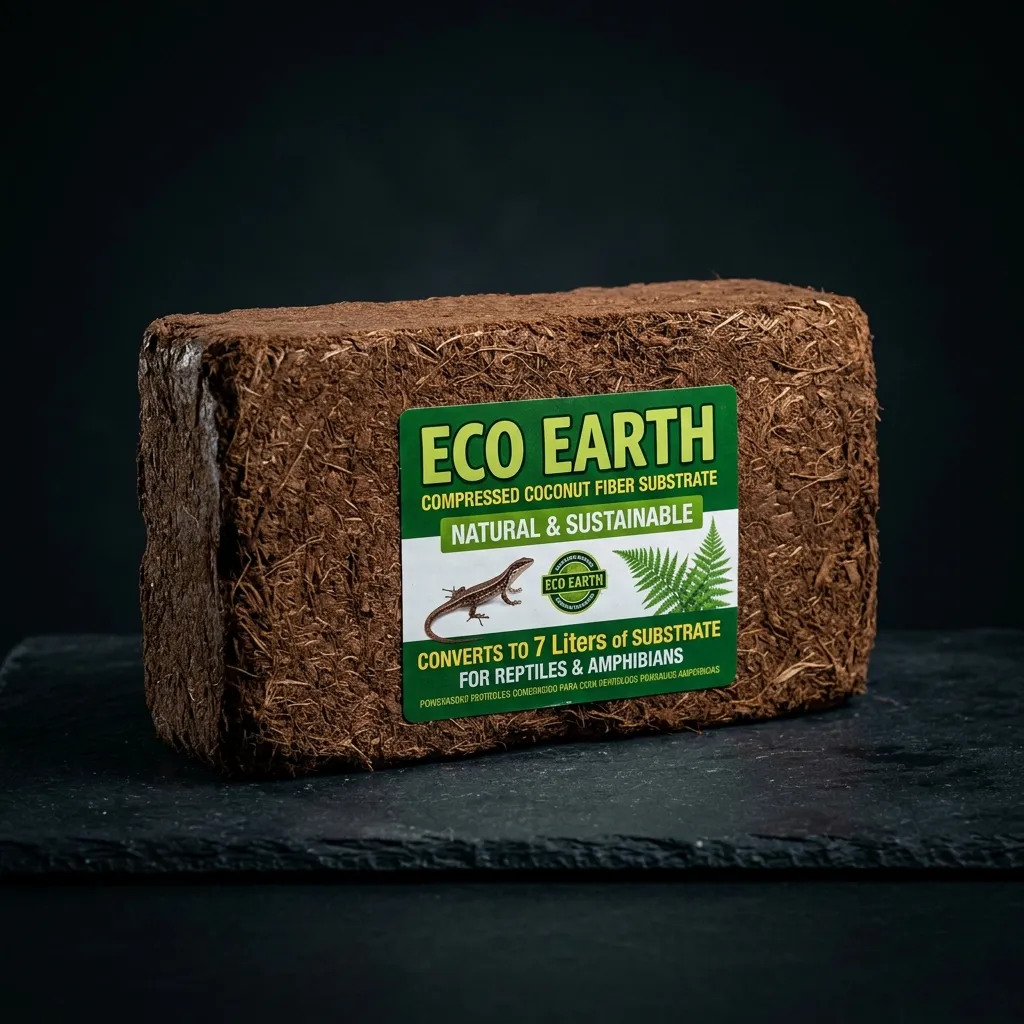
✅ Pros
- + Incredible expansion ratio; one compact brick makes up to 7-8 liters of substrate.
- + Superior moisture retention, making it effortless to maintain high humidity levels in tropical enclosures.
- + Completely natural, biodegradable, and renewable byproduct of the coconut industry.
- + Soft, loose texture is perfect for burrowing species like pacman frogs, tarantulas, and sand boas.
- + Naturally resists fungal growth and absorbs odors better than many generic soils.
❌ Cons
- - Contains almost zero nutritional value for live plants; must be mixed with organic soil or worm castings for bioactive setups.
- - Can compact over time if kept too wet without the addition of aerating elements like orchid bark or perlite.
- - Can be dusty if used completely dry for arid setups (though it's not recommended for desert species).
Understanding Coconut Coir in the Terrarium Hobby
For decades, keepers struggled with finding a substrate that could hold humidity without quickly turning into a moldy, foul-smelling mess. Enter coconut coir, popularized in the hobby by products like Zoo Med Eco Earth. Coco coir is the fibrous material found between the hard, internal shell and the outer coat of a coconut. In the terrarium hobby, this substrate is prized for its spongy texture and its ability to absorb up to 10 times its weight in water. This makes it an invaluable tool for maintaining the high ambient humidity required by species such as crested geckos, dart frogs, and tropical invertebrates. Unlike peat moss, which takes centuries to form in bogs, Eco Earth is a highly sustainable, eco-friendly byproduct of coconut farming. It provides a clean, safe, and natural-looking forest floor aesthetic without introducing harmful chemicals or pests.
Why We Constantly Use Eco Earth
At BioactiveHub, we go through dozens of Eco Earth bricks every year. While we don't use it as a standalone substrate for heavily planted, long-term bioactive vivariums, it is our primary base ingredient for mixing custom soils. By combining rehydrated Eco Earth with sphagnum moss, orchid bark, charcoal, and worm castings, we create a rich, aerated soil that supports robust plant growth and microfauna populations at a fraction of the cost of pre-mixed premium substrates. Furthermore, for non-bioactive quarantine setups, breeding bins, or enclosures for heavy-burrowing species like terrestrial tarantulas (e.g., the Mexican Redknee) and Pacman frogs, pure Eco Earth is unbeatable. It allows animals to exhibit natural digging behaviors safely, holding burrow structures well when kept slightly damp.
Technical Specifications & Features
- ⚙️ Material: 100% natural compressed coconut husk fiber.
- ⚙️ Yield: One brick expands to approximately 7 to 8 liters (about 1.5 to 2 gallons) of substrate.
- ⚙️ Sustainability: Made from a renewable resource, fully compostable and biodegradable.
- ⚙️ Properties: High water-holding capacity, naturally mold-resistant, and odor-absorbing.
- ⚙️ Safety: Free from added chemicals, fertilizers, or artificial dyes.
How to Correctly Expand and Prepare the Brick
Preparing an Eco Earth brick requires a bit of patience to do correctly. Do not try to chisel or break the dry brick apart, as this creates massive amounts of dust and requires intense physical effort. Instead, place the brick in a large 5-gallon bucket. Pour approximately 3 to 4 quarts (about 3-4 liters) of warm, dechlorinated water over the brick. Warm water helps the fibers expand much faster than cold water. Let it sit for 20 to 30 minutes. After soaking, use your hands to pull the expanded fibers apart, checking for any dry, hard chunks in the center. If it's too dry, add a little more water. If you accidentally added too much water and the substrate is muddy or dripping wet, you must squeeze out the excess moisture by the handful before adding it to your terrarium. The ideal consistency is damp to the touch, but no water should drip when squeezed.
Maintenance and Humidity Management
Maintaining Eco Earth is relatively simple, but it requires monitoring. Because it absorbs so much moisture, the surface can sometimes appear dry under heat lamps while the bottom layers remain saturated. To prevent the substrate from turning anaerobic (soggy and stagnant), you should periodically churn or turn over the top layer of the substrate, unless you have a fully established bioactive setup with delicate plant roots. If you are using it in a humid setup, lightly misting the surface every few days will keep the humidity levels stable. Spot cleaning solid waste is easy, as the coco fiber tends to clump slightly around moisture. Replace the substrate entirely every 3 to 6 months in non-bioactive setups to maintain a hygienic environment.
Alternative Substrate Options
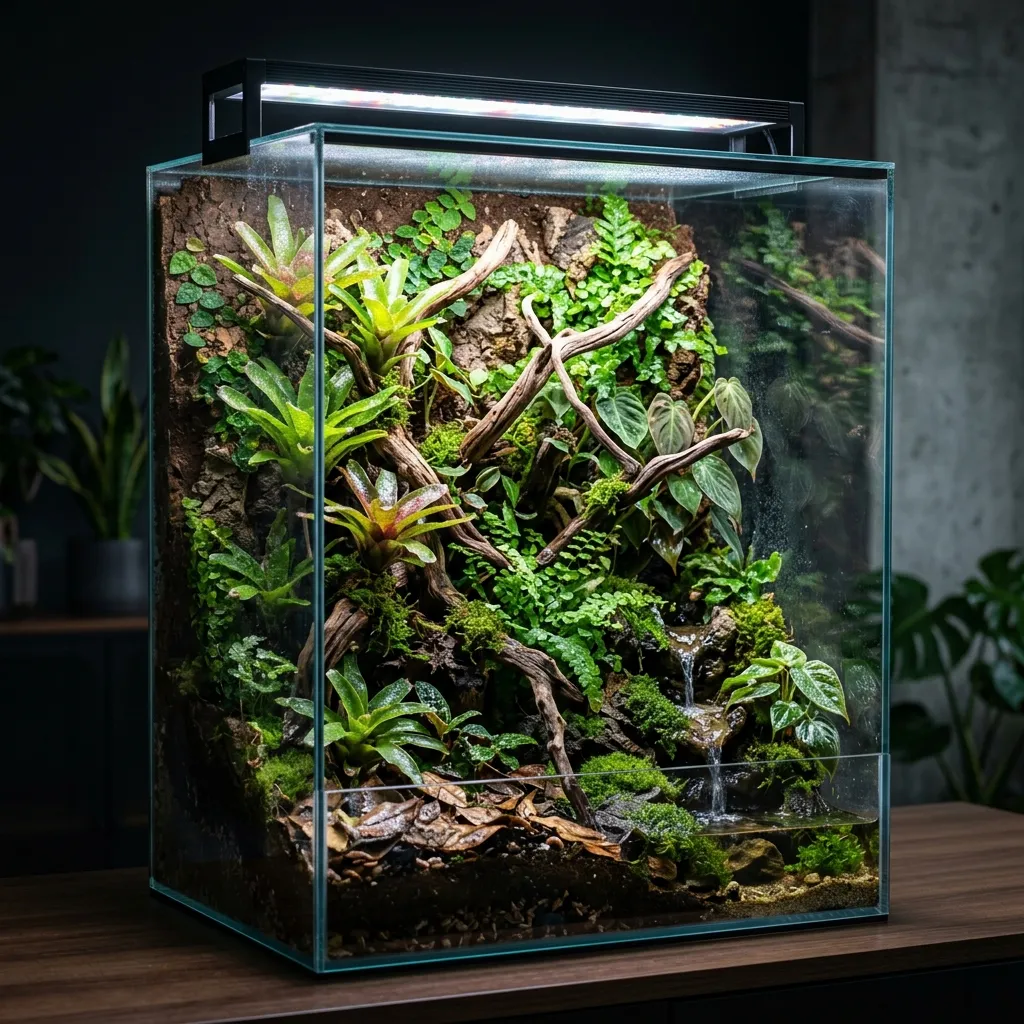
If your goal is to build a long-term, heavily planted tropical vivarium, you should consider a pre-mixed bioactive soil like Josh's Frogs ABG Mix, which already contains the necessary drainage and nutritional components that pure Eco Earth lacks. For arid setups, such as those for bearded dragons or leopard geckos, Eco Earth holds too much humidity and can be dangerously dusty if allowed to dry completely; a mix of organic topsoil and play sand is far superior for desert species. However, as a versatile mixing base, an invertebrate substrate, or a moisture-retaining bedding for tropical quarantine tanks, Eco Earth remains an absolute staple.
All Products