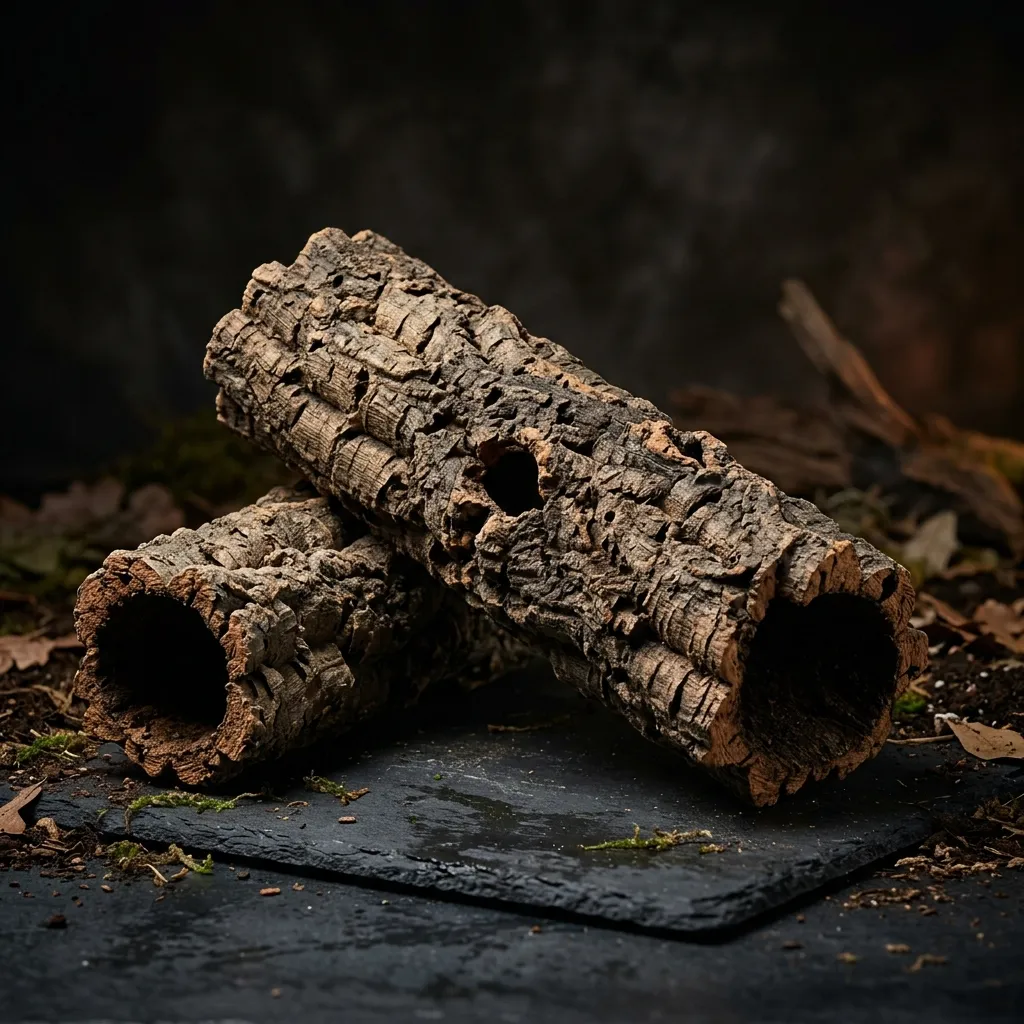
Zoo Med Natural Cork Bark: The Ultimate Hardscape
✅ Pros
- + Virtually impervious to rot and mold, even in 100% humidity environments.
- + Extremely lightweight, minimizing the risk of cracking the glass bottom of your terrarium.
- + Provides a highly textured surface that is perfect for reptiles to grip while climbing and shedding.
- + The porous texture makes it the ideal anchor point for mounting epiphytic plants like bromeliads and orchids.
- + Sustainably harvested from the bark of the Cork Oak tree without killing the tree itself.
❌ Cons
- - As a natural product, the exact size, shape, and curve you receive online is completely random.
- - It floats heavily in water, making it difficult to use in paludarium water sections without intense weighting.
- - May occasionally harbor wild spiders or insects if not properly cleaned before introduction.
Why Cork Bark is the Best Wood for High Humidity
If you place standard reptile wood, such as grapewood or cholla wood, into a tropical dart frog terrarium, it will be covered in thick green mold within three days and turn into mush within six months. This happens because those woods lack natural defenses against constant moisture. Cork bark, harvested from the Cork Oak tree (Quercus suber), is structurally unique. It is packed with suberin, a waxy substance that acts as a natural waterproof barrier. This renders the bark highly hydrophobic and exceptionally resistant to microbial decay. In a bioactive setup where the environment is constantly sprayed by a misting system, cork bark will maintain its structural integrity for years, if not decades.
Why We Choose Zoo Med Cork Bark
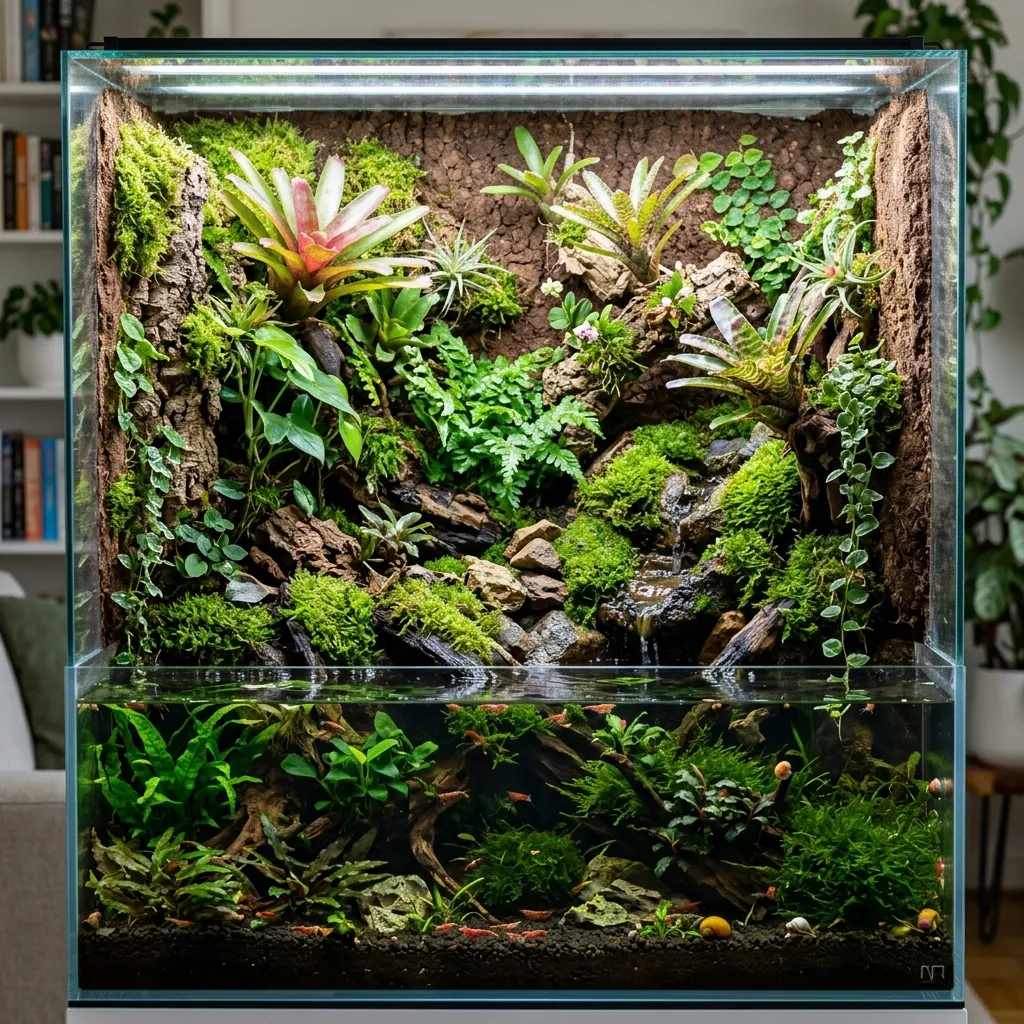
While you can source cork bark from various vendors, Zoo Med has consistently provided high-quality, thickly cut pieces that do not easily splinter or crumble. We use their cork rounds to create naturalistic hollow logs where shy species like Leopard Geckos or juvenile snakes can hide securely. We heavily utilize their cork flats to construct custom vivarium backgrounds. By siliconing cork flats to the glass and filling the gaps with expanding foam and coco fiber, you can create a seamless, three-dimensional jungle wall. It is the definitive foundational building block of any premium terrarium hardscape.
Technical Specifications & Contents
- ⚙️ Material: 100% Natural Cork Oak bark (Quercus suber).
- ⚙️ Durability: Highly resistant to mold, mildew, and rotting.
- ⚙️ Buoyancy: Extremely high (will float in water).
- ⚙️ Weight: Ultra-lightweight compared to dense woods like ghost wood or mopani.
- ⚙️ Styles Available: Flats (for backgrounds/floors) and Rounds/Tubes (for climbing/hiding).
Installation Guide: Preparing and Mounting
Although Zoo Med's cork bark is generally clean, we always recommend a quick sterilization process before adding it to a bioactive setup. Give it a thorough scrub with a stiff bristle brush and hot water to remove any loose dirt or wild hitchhikers. You can bake it in the oven at 200°F (93°C) for 30 minutes, or pour boiling water over it. To use it in a background, apply a generous amount of 100% pure silicone to the back of the flat and press it firmly against the dry terrarium glass, allowing it to cure for 48 hours. If you are mounting plants, simply wrap the roots of a bromeliad in damp sphagnum moss and tie it to the cork's rugged crevices using fishing line or zip ties.
Long-Term Maintenance
One of the greatest advantages of cork bark is that it requires essentially zero maintenance. Your springtails and isopods may occasionally graze on the microscopic fungi that attempt to grow on it, keeping the wood clean naturally. If you notice a buildup of calcium from hard water misting, simply scrub the bark lightly with a soft brush and a diluted vinegar solution. Unlike other woods, it will never need to be replaced due to rotting, making it a permanent fixture in your ecosystem.
Alternative Wood Options
If you are building an arid terrarium (like a Bearded Dragon setup) where humidity is very low, you can safely use heavier, denser woods like Grapewood, Spider Wood, or Mopani without fear of rotting. Ghost Wood is a popular alternative for tropical setups as it resists rot fairly well and offers intricate, branching shapes, though it is significantly more expensive and heavier than cork. For backgrounds, Tree Fern panels are an excellent but pricier alternative that retains even more moisture for moss growth.
All Products