Hydro Crunch Expanded Clay (LECA): The Ultimate Drainage Layer for Bioactive Terrariums
✅ Pros
- + Extremely lightweight compared to traditional aquarium gravel, reducing overall tank weight.
- + Highly porous surface area promotes the growth of beneficial bacteria for water filtration.
- + Will not break down, compact, or degrade over time, ensuring a permanent false bottom.
- + Sustainably sourced and completely natural, safe for all reptiles, amphibians, and microfauna.
- + Uniform shape prevents sharp edges from piercing pond liners or silicone seals.
❌ Cons
- - Requires thorough rinsing before first use to remove clay dust.
- - Can shift if not properly secured under a sturdy substrate barrier mesh.
- - Slightly more expensive than generic pea gravel, though the benefits justify the cost.
What is LECA and Why Does Your Terrarium Need It?
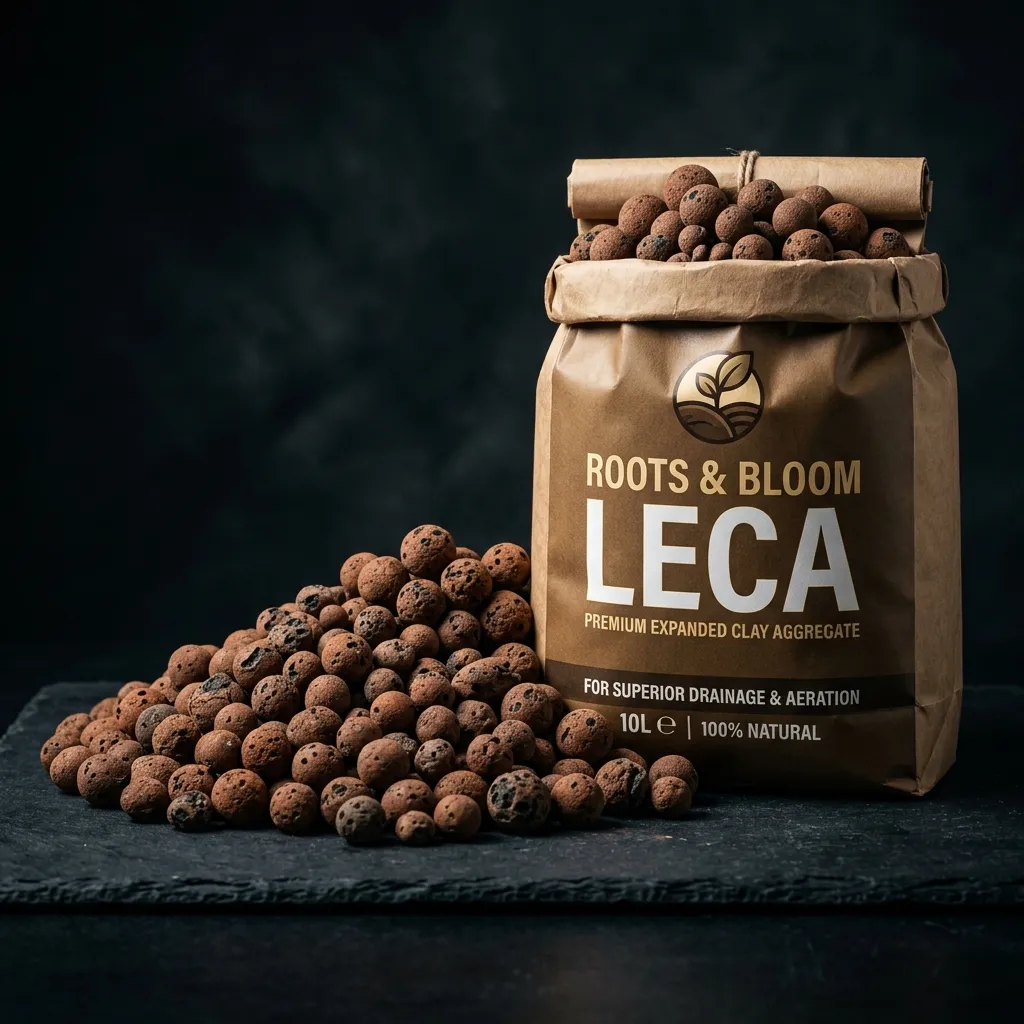
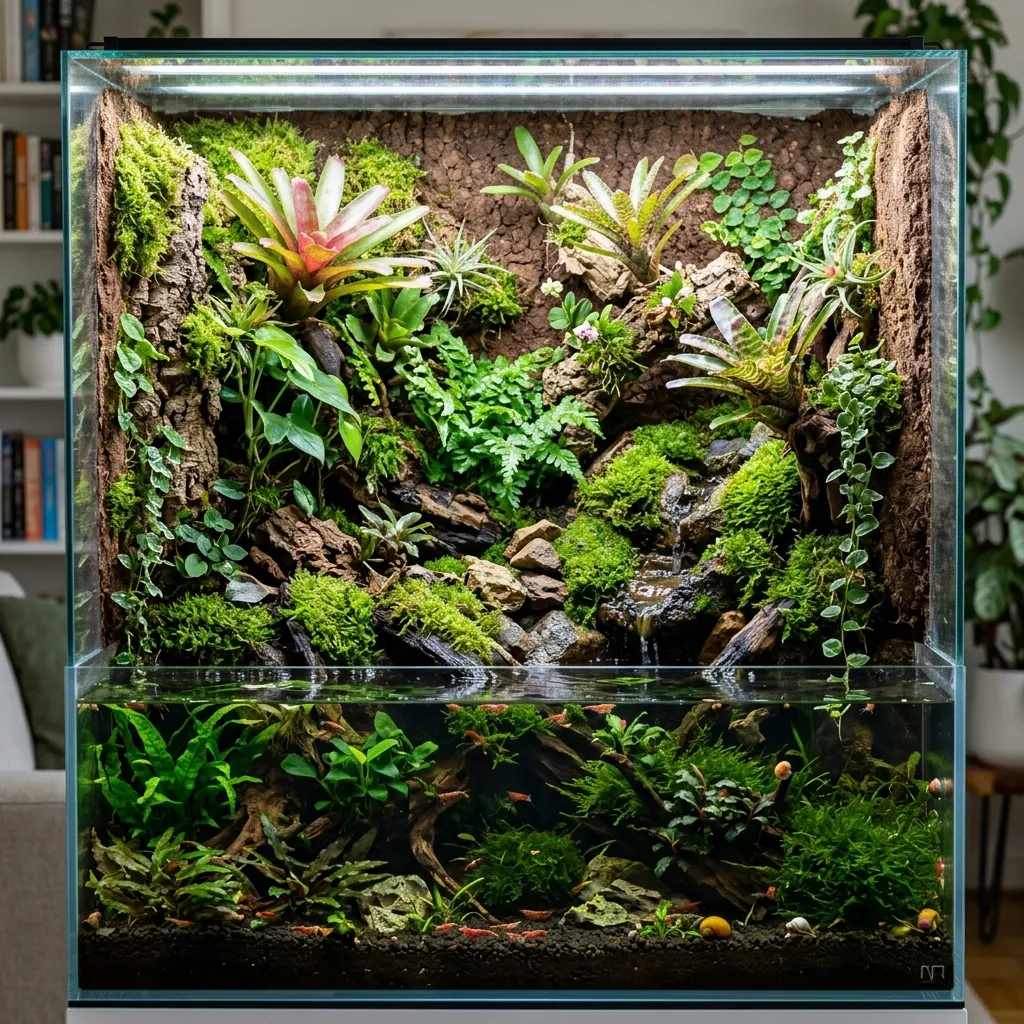
LECA, or Lightweight Expanded Clay Aggregate, is created by heating clay to high temperatures in a rotary kiln, causing it to expand into porous, lightweight spheres. In the context of bioactive terrariums and paludariums, a drainage layer (often called a false bottom) is absolutely non-negotiable for high-humidity setups such as those for poison dart frogs, crested geckos, or arboreal snakes. Without a proper drainage layer, the constant misting required to maintain humidity will quickly saturate the primary substrate. This waterlogging leads to a foul-smelling, anaerobic environment that kills plant roots, drowns your clean-up crew (isopods and springtails), and ultimately threatens the health of your reptile or amphibian. Hydro Crunch LECA creates a dedicated void space at the bottom of the tank, allowing excess water to drain safely away from the soil while maintaining a localized humidity reservoir.
Why We Chose Hydro Crunch Over Other Brands
While there are many brands of hydroton and clay pebbles on the market, Hydro Crunch stands out for its consistency and quality control. In our extensive testing building custom vivariums, we noticed that cheaper alternatives often contain a high percentage of broken, jagged pieces that can puncture delicate weed barrier fabrics or pond liners. Hydro Crunch maintains a uniform spherical shape with an ideal diameter of 8-16mm, which is perfect for creating a stable, level base. Furthermore, the porosity of Hydro Crunch is exceptional. These clay balls wick moisture upward through capillary action just enough to keep the substrate barrier humid without waterlogging the ABG mix above it. This creates the perfect microclimate for tropical plants like bromeliads, orchids, and aroids to thrive, while providing a safe drinking source for microfauna.
Technical Specifications & Features
- ⚙️ Material: 100% Natural baked clay (pH neutral)
- ⚙️ Size Range: 8mm to 16mm diameter (ideal for structural stability)
- ⚙️ Weight: Ultra-lightweight (significantly lighter than gravel or rocks)
- ⚙️ Functionality: High capillary action for moisture regulation
- ⚙️ Safety: Non-toxic, free of sharp edges, and chemically inert
How to Install a LECA Drainage Layer (False Bottom)
Setting up your drainage layer correctly is critical for the lifespan of your bioactive terrarium. First, pour the Hydro Crunch LECA into a strainer and rinse it thoroughly under a hose or showerhead until the water runs completely clear. This removes the red clay dust that could otherwise clog your drainage tap or cloud your water features. Next, add a layer of LECA directly to the bottom of your empty glass terrarium to a depth of 1.5 to 2.5 inches (4-6 cm). If you are building a paludarium with a water feature, you may need a deeper layer. Once the LECA is level, you MUST cover it completely with a high-quality substrate barrier (such as fiberglass window screen or specialized terrarium mesh). Cut the mesh slightly larger than the footprint of your tank so it folds up the sides by about half an inch. This prevents any substrate (like ABG mix or coconut coir) or microfauna from falling into the drainage layer and compromising the water quality.
Long-Term Maintenance and Water Management
One of the greatest advantages of using a Hydro Crunch LECA drainage layer is that it requires almost zero direct maintenance once installed correctly. The primary task is simply monitoring the water level in the reservoir. You should be able to see the water level through the bottom glass of your terrarium. If the water rises too close to the substrate mesh (within 0.5 inches), you need to drain it to prevent the soil from wicking up too much moisture. This can be done by siphoning the water out with an airline tube or, if you planned ahead, opening the drainage bulkhead valve you installed at the base of the tank. The water extracted from the LECA is often rich in nitrates and makes an excellent natural fertilizer for your houseplants!
Alternative Drainage Options
If you need a completely weightless setup, you might consider a plastic egg crate false bottom covered in mesh. However, egg crate does not offer the biological filtration surface area that LECA provides. For semi-arid setups like those for leopard geckos, a drainage layer might not be necessary at all, or a thinner layer of volcanic rock (scoria) could be used instead. But for any tropical or high-humidity bioactive enclosure, Hydro Crunch LECA remains our top recommendation.
All Products