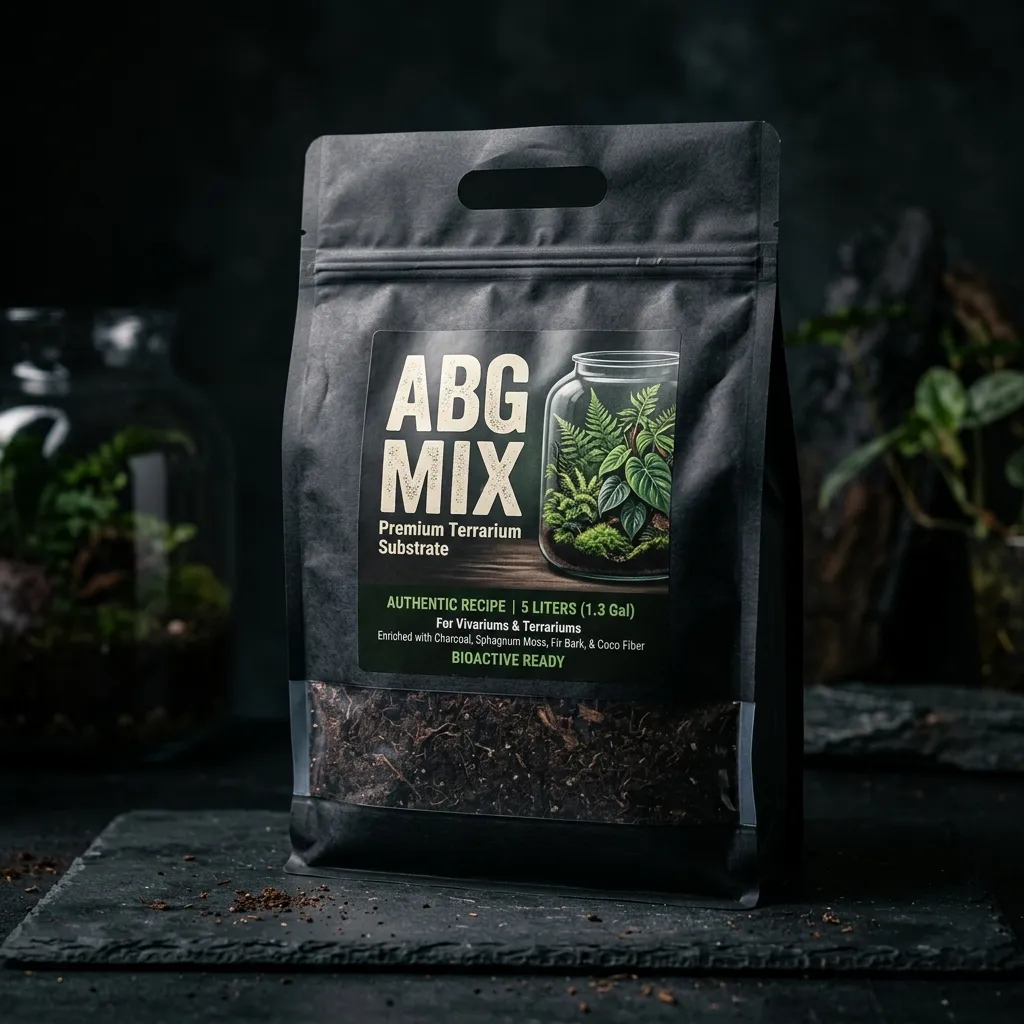
Josh's Frogs ABG Mix: The Undisputed King of Bioactive Substrates
✅ Pros
- + Incredible longevity; can last for several years without needing replacement when properly maintained.
- + Perfect balance of moisture retention and drainage, preventing root rot in tropical plants.
- + Provides an ideal micro-habitat for beneficial microfauna (springtails and isopods) to reproduce and break down waste.
- + Highly resistant to compacting over time, unlike standard potting soils or pure coconut coir.
- + Made from premium, all-natural ingredients specifically sourced for terrarium safety.
❌ Cons
- - More expensive upfront than DIY mixes or standard coco coir blocks.
- - Must be moistened correctly before use; using it bone-dry can cause dust issues.
- - Not ideal for arid or desert setups (like those for bearded dragons or leopard geckos).
Why ABG Mix is Essential for Your Bioactive Terrarium
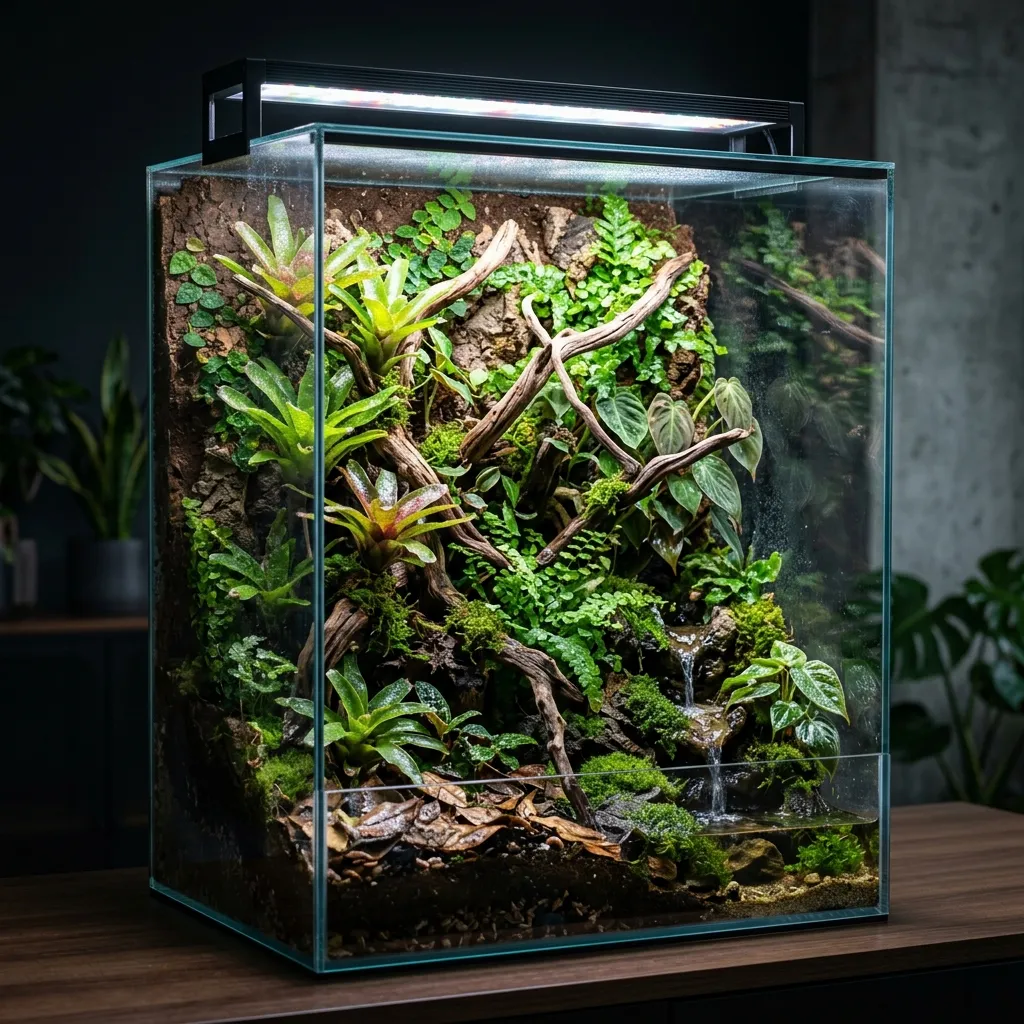
A bioactive terrarium relies on a delicate balance of moisture, aeration, and biological activity. Standard potting soil or pure coco coir will quickly compact under the constant humidity and misting of a tropical vivarium. When substrate compacts, it chokes out oxygen, leading to an anaerobic environment. This toxic state smells like rotten eggs, kills plant roots, and will rapidly wipe out your clean-up crew of isopods and springtails. The ABG (Atlanta Botanical Gardens) mix was specifically engineered to solve this problem. By combining ingredients of varying sizes and decay rates, ABG mix creates a structural matrix that remains airy and fluffy for years. This allows oxygen to penetrate deep into the soil layer, promoting healthy root growth and supporting a robust population of microfauna that will consume animal waste and mold.
Our Experience with Josh's Frogs ABG Mix
Over years of building custom enclosures, we've tested countless commercial substrates and DIY recipes. We continuously come back to Josh's Frogs ABG Mix for our high-humidity builds. The consistency of their batches is unmatched. We have terrariums that have been running on the same ABG mix for over five years, and the soil still smells like a fresh, clean forest floor. The inclusion of high-quality tree fern fiber provides a slow-decaying structural backbone, while the horticultural charcoal acts as a filtration system, keeping the soil 'sweet' and preventing the buildup of toxins. The sphagnum moss and peat hold just the right amount of water, and the orchid bark creates macroscopic air pockets. It's simply the most reliable foundation for any tropical bioactive setup.
Ingredients & Composition
- ⚙️ Tree Fern Fiber: Provides long-lasting structure, aeration, and resists rapid decomposition.
- ⚙️ Horticultural Charcoal: Filters impurities, reduces odors, and provides a porous home for beneficial bacteria.
- ⚙️ Milled Sphagnum Moss: Excellent moisture retention without causing compaction.
- ⚙️ Fir Bark (Orchid Bark): Creates large air pockets crucial for root respiration and microfauna navigation.
- ⚙️ Peat Moss: Adds acidity and retains moisture, holding the mix together.
How to Prepare and Apply ABG Mix
Proper installation of your ABG mix is crucial. First, ensure you have a functional drainage layer (like LECA) covered by a high-quality substrate barrier mesh to prevent the soil from washing down into your water reservoir. Before adding the ABG mix to your terrarium, pour it into a large bucket and slowly add distilled or reverse osmosis (RO) water while mixing it with your hands. You want the substrate to be damp, not dripping wet—if you squeeze a handful, only a drop or two of water should come out. Once properly moistened, spread an even layer across your terrarium, typically 2 to 4 inches (5-10 cm) deep depending on the root systems of your intended plants. Do not pack the soil down tightly; leave it loose and fluffy to maximize aeration.
Long-Term Care and Microfauna Integration
ABG mix is designed to be a 'living' soil. Immediately after installation, you should inoculate it with a healthy culture of springtails and tropical isopods. These detritivores will burrow through the loose ABG mix, further aerating the soil and breaking down any decaying plant matter or animal waste into nutrients that your live plants can absorb. To maintain the substrate long-term, ensure it never dries out completely, but also never becomes a swamp. Always cover the top layer of your ABG mix with a generous layer of leaf litter (such as oak, magnolia, or catappa leaves). This leaf litter acts as a protective mulch, retaining soil moisture, providing a primary food source for your isopods, and completing the natural forest floor aesthetic.
Alternative Substrate Options
For hobbyists on a strict budget building multiple large enclosures, mixing your own ABG-style substrate can be cost-effective, though sourcing high-quality tree fern fiber has become increasingly difficult and expensive. If you are setting up a semi-arid terrarium for species that require lower humidity (like a leopard gecko or bearded dragon), ABG mix is not suitable; you should instead look into specialized arid mixes like a combination of organic topsoil and play sand. However, for poison dart frogs, crested geckos, day geckos, or any tropical bioactive environment, Josh's Frogs ABG Mix is the definitive choice.
All Products